The Rise of Vietnamese OTT Platforms in Southeast Asia

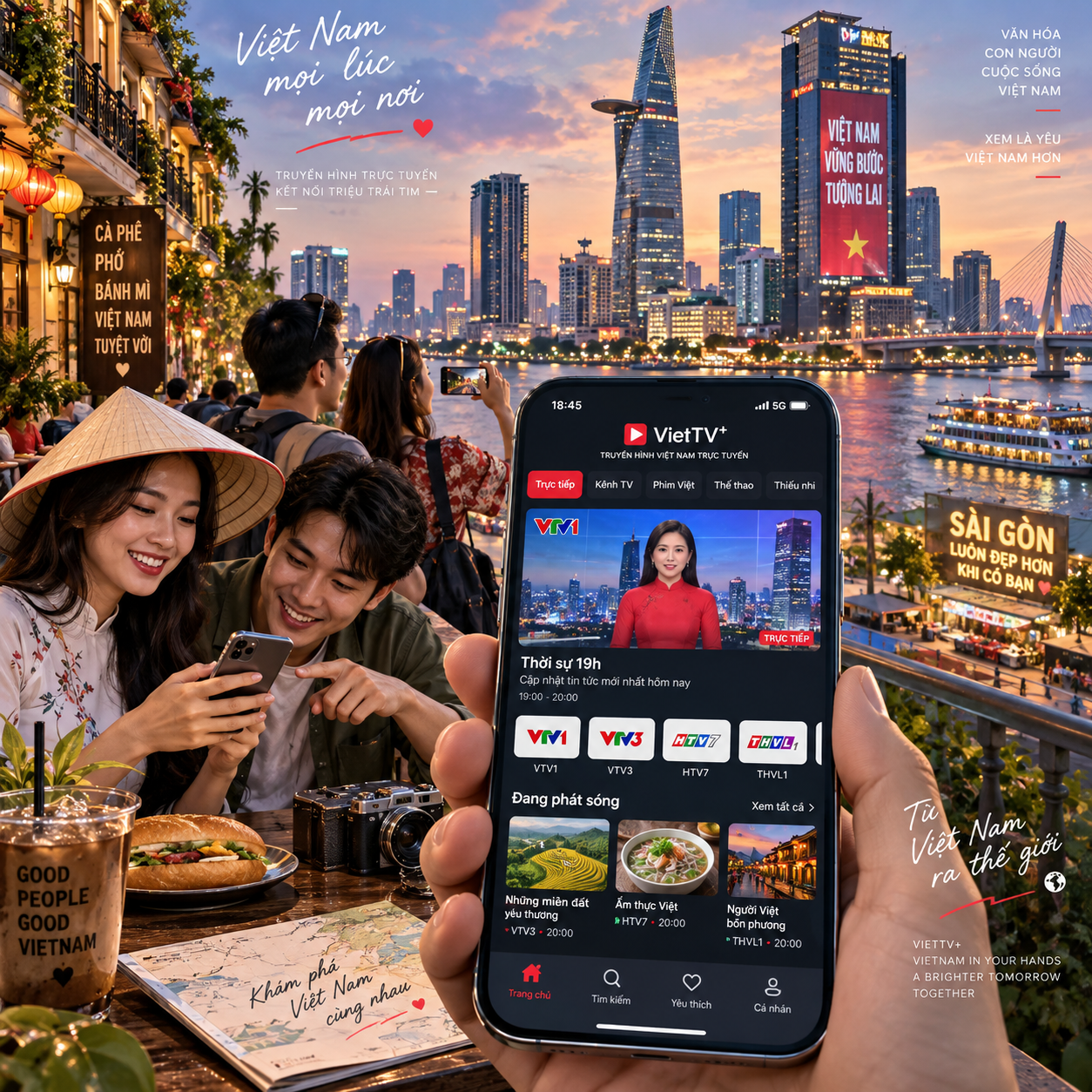
Vietnamese OTT platforms are becoming an increasingly visible part of Southeast Asia’s digital entertainment landscape. By combining live television, video-on-demand (VOD), mobile streaming, and locally produced programming, these services connect Vietnamese audiences at home and abroad with familiar content in a convenient format.
The opportunity extends beyond Vietnamese viewers. Southeast Asia is a multilingual, mobile-first region where audiences increasingly expect entertainment to be available across phones, smart TVs, tablets, and computers. For Vietnamese streaming services, regional growth depends on more than exporting television shows. It requires careful localization, reliable internet connectivity, workable content licensing, and a clear understanding of how viewing habits differ from one market to another.
What Are Vietnamese OTT Platforms?
Vietnamese OTT platforms are internet-based television and entertainment services that deliver Vietnamese content directly to viewers without requiring a traditional cable or satellite subscription. They commonly combine live channels, catch-up television, and on-demand programming in one digital experience.
OTT means over-the-top delivery: video travels through an internet connection rather than through a conventional broadcast network or pay-TV package. A Vietnamese live TV streaming application may offer national and local channels, news, sports, music, dramas, variety shows, children’s programming, and selected VOD titles.
These services typically support several viewing patterns:
- Live streaming: Viewers watch channels in real time, including news, sports, ceremonies, and scheduled entertainment.
- Catch-up viewing: Users replay recently broadcast programs when their schedules do not match the television timetable.
- Video-on-demand: Audiences select films, episodes, music programs, or other titles from a digital library.
- Cross-device access: Accounts may work on smartphones, browsers, tablets, connected televisions, and streaming devices.
The Vietnamese model is especially suited to mobile streaming. A viewer can follow a familiar news program during a commute, watch a drama episode on a phone, or move to a larger screen at home. That flexibility helps OTT services compete for attention in a region where mobile devices are often the main gateway to the internet.
Why Vietnamese Streaming Services Are Expanding Regionally
Vietnamese streaming services are expanding across Southeast Asia because internet access, smartphone use, diaspora demand, and expectations for on-demand entertainment are growing together. Regional expansion gives platforms a way to serve viewers who want Vietnamese television outside the domestic broadcast footprint.
Vietnamese communities in countries such as Singapore, Thailand, Malaysia, Cambodia, and the Philippines create a natural audience for Vietnamese television content. Expatriate workers, students, families, and travelers may seek news from home, familiar dramas, music, or national sports coverage. A live TV streaming application can provide that connection without depending on local television schedules.
There is also a broader audience opportunity. Southeast Asian viewers already consume entertainment from neighboring countries, particularly when stories, celebrities, music, or formats feel culturally accessible. Vietnamese dramas and variety programs may attract wider interest when subtitles, interface languages, and payment options match local expectations.
Convenience is central to this shift. Traditional television remains important, but digital viewers increasingly want:
- Immediate access through a smartphone or browser
- Programs available outside fixed broadcast hours
- Affordable plans suited to local purchasing power
- Recommendations based on personal viewing habits
- Simple account access while traveling or living abroad
Expansion does not mean every market will respond in the same way. Singapore may prioritize premium quality and connected-TV compatibility, while another market may place greater weight on low-data playback and mobile payments. Treating Southeast Asia as one audience can lead to weak product decisions.
The Appeal of Vietnamese Live TV Streaming Applications
A Vietnamese live TV streaming application appeals to viewers by combining real-time channels with catch-up access, program variety, and flexible viewing across connected devices. Its value comes from reproducing the immediacy of television while removing many of television’s scheduling limitations.
Live channels remain important because some content loses meaning when delayed. News, election coverage, sports, award ceremonies, and major cultural events are naturally watched in real time. For Vietnamese viewers abroad, live access can also preserve a sense of participation in events happening in Vietnam.
Catch-up viewing adds a practical layer. Someone working a late shift may miss a favorite program but still watch it later without searching across unrelated websites. A clear program guide, episode list, and replay window can make this experience feel dependable.
Entertainment breadth matters too. A strong service may organize Vietnamese television content into news, drama, comedy, reality, music, lifestyle, children’s programming, and sports categories. Search and recommendation tools reduce the effort required to find a specific show.
Good design is often more important than a long feature list. Viewers notice whether a service starts quickly, remembers playback position, handles subtitles clearly, and makes channel navigation intuitive. They also care about continuity: beginning a program on a phone and continuing on a smart TV should require minimal friction.
However, convenience has limits. A large channel catalog is less useful if rights vary by country or if streams frequently buffer. The strongest viewer experience balances selection with availability, stability, and transparent information about what can be watched in each location.
Content as a Regional Growth Driver
Vietnamese content is the main reason audiences choose a Vietnamese OTT service, while localization determines how successfully that content travels across Southeast Asia. Strong programming can create interest, but subtitles, cultural context, and rights clearance turn interest into sustained viewing.
Vietnamese dramas can travel through recognizable themes such as family relationships, ambition, romance, and social change. Variety shows and music programs may generate interest through celebrities and formats that feel familiar across Asian markets. News and current affairs serve a more specific purpose, particularly for Vietnamese communities overseas.
Localization should be treated as a product function rather than a final translation step. It can include:
- Accurate subtitles in English and relevant Southeast Asian languages
- Localized descriptions, episode titles, and search terms
- Content warnings and cultural explanations where appropriate
- Recommendations that reflect local viewing behavior
- Marketing creative adapted to each audience and platform
Language is only one part of the equation. Humor, references to Vietnamese public life, pacing, music, and family dynamics may be understood differently in Indonesia, Thailand, Malaysia, or Singapore. Platforms should test which content travels naturally and which titles need stronger editorial framing.
Content licensing is equally decisive. A program available in Vietnam may not be cleared for distribution abroad because music, sports, film, or format rights were purchased territory by territory. Platforms that explain regional availability clearly build more trust than services that promote a title only to show an access restriction at playback.

Technology, Distribution, and the Viewer Experience
Technology and distribution support Vietnamese OTT growth when they make streaming reliable, affordable, and easy to use under different Southeast Asian network conditions. The goal is not technical complexity; it is consistent access for viewers using varied devices, connections, and payment methods.
Mobile optimization should come first because many users discover and consume digital entertainment on smartphones. Responsive interfaces, efficient video encoding, adjustable quality, and data-saving options can make a noticeable difference where connectivity or data costs remain concerns.
Adaptive bitrate streaming helps a service adjust video quality to changing bandwidth. A viewer may receive high-definition playback on a stable home connection and a lower-resolution stream on a congested mobile network. This approach can reduce interruptions, although lower quality may be necessary to preserve continuity.
Distribution also includes the business layer. Regional viewers may expect local cards, mobile wallets, app-store billing, or prepaid options rather than a single international payment method. Clear subscription terms matter when prices, taxes, promotional periods, and cancellation rules differ by market.
A practical regional product framework is the four-part access test:
- Find: Can the viewer discover relevant Vietnamese television content quickly?
- Play: Does the stream start reliably on the viewer’s connection?
- Continue: Can the viewer resume across devices without losing progress?
- Pay: Is the subscription method familiar, transparent, and affordable locally?
Failing any one of these stages can weaken the entire experience. A technically excellent application still struggles if its catalog is difficult to search or its payment process excludes local users.
Challenges Facing Vietnamese OTT Expansion
Vietnamese OTT expansion faces challenges in licensing, localization, regulation, connectivity, pricing, and competition. Each market requires its own operating assumptions, so regional growth is a process of adaptation rather than simple duplication.
Content rights and regulation
Content licensing can restrict live channels, sports, films, music, and imported programs by territory. Local regulations may also affect advertising, data handling, age ratings, and content distribution. A platform needs legal and editorial processes that account for each country before launching widely.
Language and cultural fit
Vietnamese-language content naturally serves Vietnamese audiences, but broader regional reach often requires subtitles and localized metadata. Poor translation can damage comedy, news context, and character relationships. Localization costs time and money, and not every title will justify the investment.
Connectivity and device diversity
Internet connectivity varies between cities, suburbs, islands, and rural areas. Devices also range from newer smart televisions to entry-level Android phones. High-resolution video and feature-heavy applications may work well for premium users but perform poorly on limited hardware or mobile data.
Pricing and competition
Viewers compare Vietnamese services with local broadcasters, regional platforms, social video, and international subscriptions. A lower price may attract trial users but can make premium content and reliable infrastructure difficult to fund. A larger catalog may sound compelling, yet exclusive Vietnamese programming and dependable live access may provide clearer value.
The common mistake is assuming that diaspora demand alone guarantees success. Diaspora viewers can provide a strong starting audience, but long-term regional relevance depends on retention, localized discovery, rights stability, and content that appeals beyond one community.
What the Future May Hold for Vietnamese OTT in Southeast Asia
The future of Vietnamese OTT in Southeast Asia will likely depend on focused partnerships, broader but carefully licensed distribution, better personalization, and products designed around regional differences. These opportunities are significant, but they do not remove the commercial and regulatory work required in each market.
Partnerships with telecommunications companies, smart-TV manufacturers, local payment providers, and regional distributors could improve reach. Telecom bundles may reduce friction for mobile viewers, while device partnerships can place Vietnamese live television closer to households already using connected screens.
Content partnerships may also help platforms share production costs, acquire rights, and introduce Vietnamese programs to new audiences. Co-productions could create stories with cross-border appeal, although they require careful coordination over language, creative control, and distribution rights.
Personalization is another practical opportunity. Recommendations can separate live news from entertainment, distinguish domestic viewers from overseas audiences, and highlight subtitled titles for users who do not speak Vietnamese. Better discovery may increase the value of an existing library without requiring every platform to produce more content.
The most durable regional position will come from clarity. Viewers should know what a service offers, where it works, how much it costs, and which devices it supports. Vietnamese OTT platforms have a credible opportunity to become an important layer of Southeast Asian digital entertainment by treating Vietnamese television content, mobile access, and regional adaptation as connected priorities.
Frequently Asked Questions
What does OTT mean in Vietnamese digital entertainment?
OTT means over-the-top video delivery through the internet. In Vietnamese digital entertainment, it usually refers to services offering live television, catch-up programs, and video-on-demand without a traditional cable or satellite subscription.
Why are Vietnamese streaming platforms expanding into Southeast Asia?
They are expanding to serve Vietnamese communities abroad and reach wider regional audiences interested in Vietnamese dramas, news, music, sports, and entertainment. Smartphone use and improved internet access make digital distribution practical.
What content can viewers watch on a Vietnamese live TV streaming application?
Depending on the service and local rights, viewers may find live news, sports, dramas, variety shows, music, children’s programming, lifestyle content, catch-up television, and VOD titles.
What challenges do Vietnamese OTT platforms face regionally?
Key challenges include territory-based content licensing, language localization, cultural differences, market-specific regulation, varying internet connectivity, payment preferences, pricing expectations, and competition from local and international services.
Can Vietnamese OTT services serve viewers outside Vietnam?
Some can, but availability depends on licensing agreements, platform distribution, local regulations, payment support, and technical delivery. Viewers should check the service’s supported countries and catalog before subscribing.