A Guide to Vietnamese TV Genres: From Historical Dramas to Modern Rom-Coms

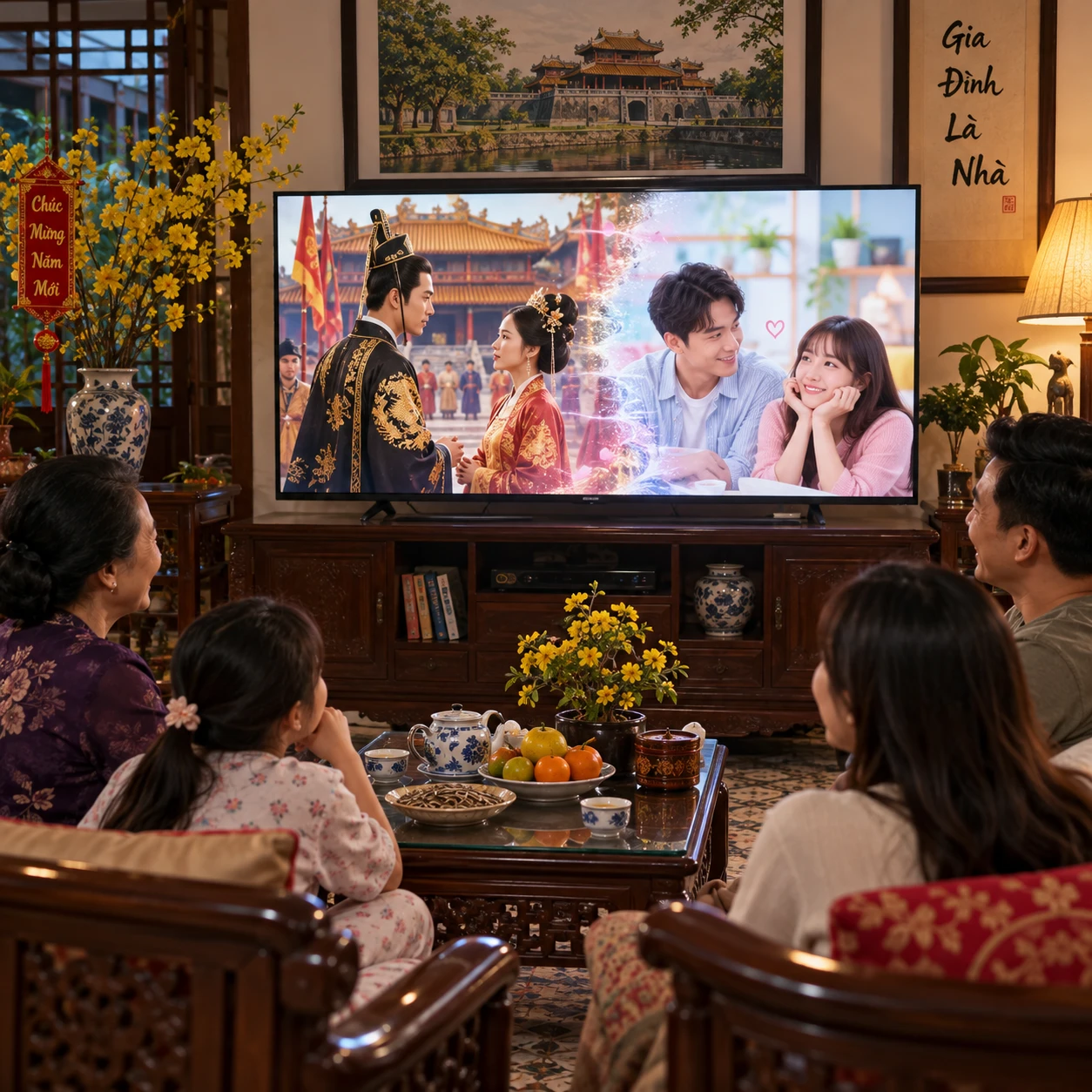
Vietnamese television spans period stories, intimate family dramas, modern romance, comedy, crime, and action. Each genre offers a different way to enjoy a story and, at times, glimpse questions of family, work, identity, and social change in Vietnam.
There is no single formula for Vietnamese TV. A historical drama may center on loyalty and power, while a rom-com follows the awkward rhythms of dating and city life. Knowing a few genre cues can help you choose a series that fits your mood, whether you watch through a scheduled broadcast or a live TV streaming app.
Why Vietnamese TV Genres Are Worth Exploring
Vietnamese TV genres are worth exploring because they offer distinct tones, settings, and perspectives on everyday life. Historical drama, family drama, romance, comedy, and crime each make different viewing promises, so viewers can choose stories that suit their interests.
Genre is a useful starting point, not a strict boundary. A family drama might include comic scenes; a romance can also explore workplace pressures; and a crime story may be as interested in relationships as in solving a case. This mix gives Vietnamese television room to move between emotional, humorous, and suspenseful moments.
Stories can also reflect aspects of Vietnamese culture, such as the importance of family ties, generational expectations, and the tension between personal goals and social responsibilities. Those themes are not unique to Vietnam, and no one show represents every viewer or community. Instead, they give audiences a way to encounter specific characters and situations through a Vietnamese setting.
Historical Dramas and Period Stories
Vietnamese historical dramas place characters in an earlier era and often explore family duty, loyalty, social rank, and political change. They appeal to viewers who enjoy period settings and stories shaped by the demands of their time.
These series may feature royal courts, village life, conflict, or the fortunes of a family across generations. The historical setting affects more than costumes and scenery: it can shape what characters are allowed to choose, whom they must obey, and what they risk by challenging custom. A personal conflict can therefore carry wider stakes.
Historical fiction also involves trade-offs. It can make the past vivid through dramatic characters and clear emotional arcs, but a television story is not a substitute for a history lesson. If a particular event or period interests you, treat the drama as an introduction and check historical details separately. For a first watch, look for clues such as the era, central family or political conflict, and whether the tone leans toward romance, intrigue, or action.
Family and Everyday-Life Dramas
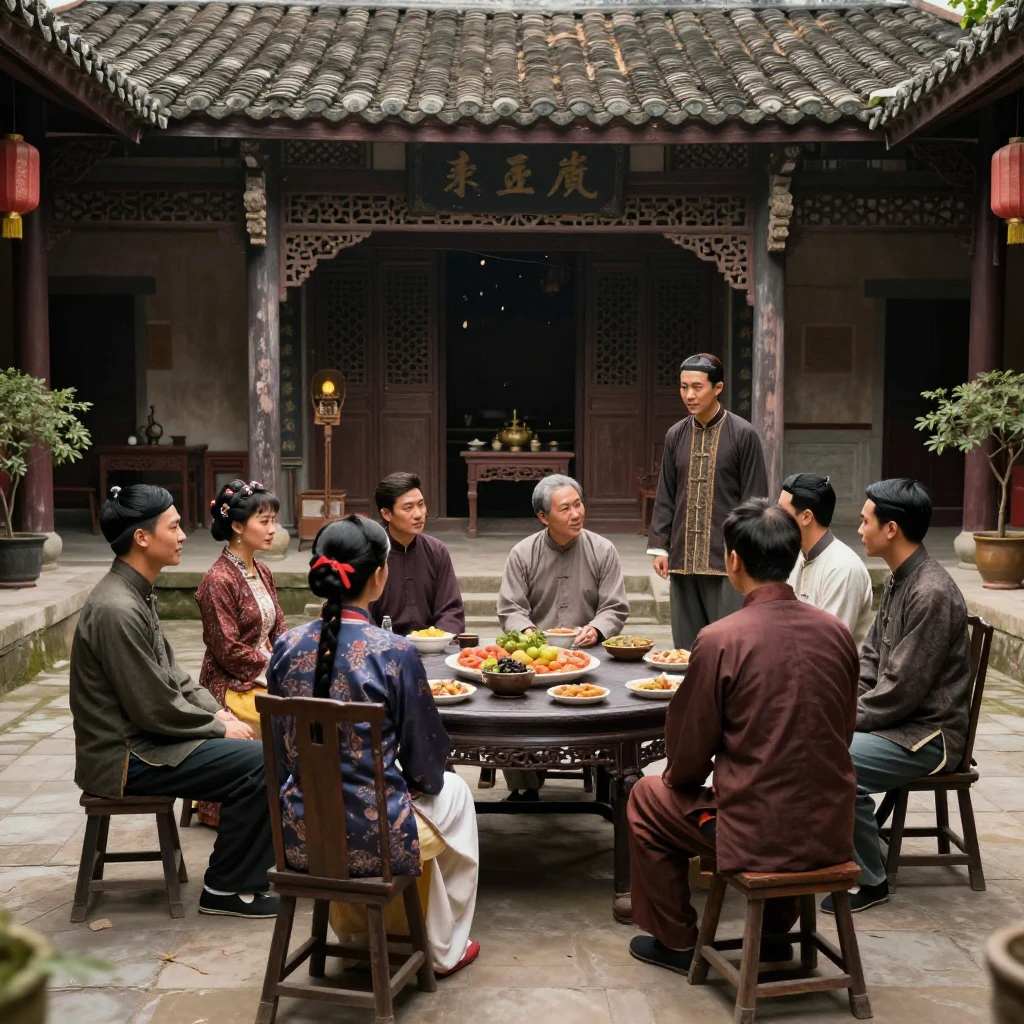
Family and everyday-life dramas focus on relationships at home, at work, and across generations. Their central conflicts often grow from familiar pressures such as money, caregiving, marriage, career choices, or disagreements about tradition and change.
Rather than relying on a single mystery or historical event, these stories build interest through decisions and consequences. A parent and adult child may want different futures; siblings may disagree about responsibility; a couple may struggle to balance work with family needs. The appeal comes from watching characters negotiate the small choices that gradually reshape a household.
These dramas can offer a window into social change, but they do so through particular characters, not as a complete portrait of Vietnamese society. Some stories move slowly and favor conversation over spectacle. That is a good fit if you like emotional detail and recurring relationships; viewers looking for fast plot turns may prefer a crime series or action drama.
Modern Rom-Coms and Romance
Modern Vietnamese romantic comedies pair relationship stories with humor, often in contemporary settings shaped by work, friendship, family expectations, and urban life. Romance-focused dramas may share those themes but spend more time on emotional conflict than comic misunderstandings.
A rom-com can follow a first meeting, a work rivalry, a friendship that changes, or a couple trying to align their ambitions. Modern settings let writers explore dating and relationships alongside practical pressures such as career decisions, financial independence, and family involvement. Humor keeps the mood light, though sincere conversations and setbacks usually give the romance its momentum.
To choose between romance and comedy, consider the balance you want. A light rom-com is a good option for an easy evening, while a more dramatic love story may suit viewers who want higher emotional stakes. If you enjoy contemporary relationship stories, try a series with an ensemble cast: friends, colleagues, and relatives can create several romantic and comic threads at once.
Comedy, Crime, and Action
Comedy, crime, and action offer three different kinds of momentum: laughter, investigation, and physical or high-stakes conflict. They can stand alone or overlap with family and romance storylines.
Comedy relies on timing, character quirks, and situations that go wrong. It may draw humor from family interactions, workplace friction, or social misunderstandings. Some shows keep the tone warm; others use sharper satire, so a preview or episode description can help set expectations.
Crime and action are better choices when you want suspense, clear objectives, and plot movement. Crime stories may follow an investigation, a set of suspects, or the personal cost of pursuing justice. Action dramas put more emphasis on confrontation, danger, and physical stakes. Neither label guarantees a particular level of intensity, so check the program description if you prefer to avoid graphic or tense material.
Genre blending is common across television. An investigation may unfold alongside family tensions, and a comedy can include serious moments. Choosing by tone as well as category helps avoid the assumption that every show under one label will feel the same.
How to Choose What to Watch
To choose a Vietnamese TV program, start with the mood you want, then check its setting, pacing, and subject matter. A live TV streaming app can make discovery easier by letting you browse channels, schedules, and program descriptions in one place.
Use this quick filter before you press play:
- Choose by mood: Pick comedy for a lighter watch, romance for relationship-focused storytelling, or crime and action for suspense and momentum.
- Choose by setting: Try a historical drama for a period world or an everyday-life story for contemporary family and work situations.
- Check the pace: Episode descriptions and previews can indicate whether a show is dialogue-led, plot-driven, or built around action.
- Try one episode: Give a new series enough time to introduce its characters, but switch if the tone or subject does not suit you.
On a live TV streaming app, browse the program guide for Vietnamese channels and note start times if you want to follow a show as it airs. Availability, channel lineups, and on-demand options vary by service and region, so check the app’s current listings rather than assuming a title is included. Scheduled viewing offers the feel of tuning in with a broadcast; on-demand viewing, when available, gives you more control over timing.
A useful rule is to test a genre by its opening promise, not by a broad label alone. If you want warmth, look for family relationships and a lighter tone. If you want a glimpse of the past, start with the era and central conflict. That small check makes it easier to find Vietnamese television that fits both your interests and your evening.